
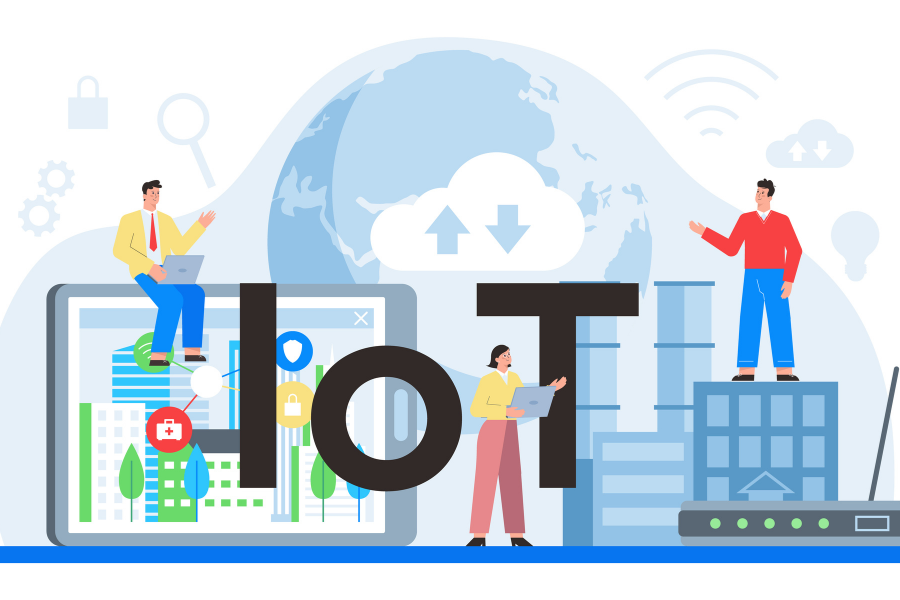
Importance of IoT Academic Projects: Bridging Learning and Innovation
The Internet of Things (IoT) is transforming the way we interact with technology, connecting devices, systems, and environments to create smarter solutions. For students and aspiring engineers, IoT academic projects are a powerful way to gain practical experience, explore innovations, and develop skills that are highly valued in today’s tech-driven world.
1. Hands-On Learning Experience
IoT academic projects provide students with practical exposure beyond textbooks. By working on sensors, microcontrollers, and real-time data applications, learners understand how IoT systems operate in the real world.
2. Skill Development for Industry Readiness
Working on IoT projects enhances technical skills such as:
- AEmbedded systems programming
- Wireless communication protocols
- Data acquisition and cloud integration
- Real-time analytics
Additionally, it improves soft skills like problem-solving, teamwork, and project management.
3. Encourages Innovation and Creativity
IoT projects challenge students to design solutions for real-life problems, such as smart homes, healthcare monitoring, or environmental tracking. This fosters creativity, critical thinking, and the ability to develop innovative, practical solutions.
4. Career Opportunities and Employability
IoT is one of the fastest-growing fields globally. Completing academic projects in IoT demonstrates practical expertise to employers, giving students a competitive edge for roles in embedded systems, IoT development, data analytics, and related domains.
5. Integration with Emerging Technologies
IoT projects often intersect with AI, cloud computing, and data science. This integration allows students to explore interdisciplinary applications, preparing them for cutting-edge technologies and future research opportunities.
Conclusion
IoT academic projects are more than just assignments — they are stepping stones toward a successful career in technology. They provide hands-on learning, skill development, and innovative thinking, ensuring that students are industry-ready and capable of contributing to the rapidly evolving IoT ecosystem.
Contact Us